Money Audiobooks for Kids: When They Help and When They Don't
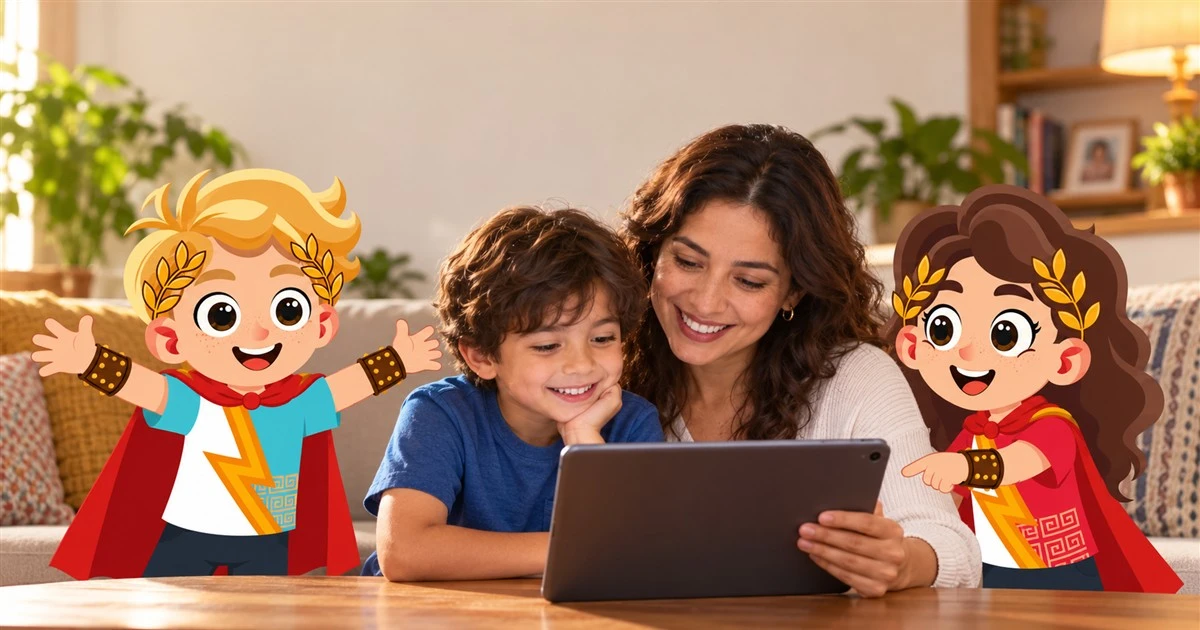
A money audiobook works when it's listened to in short pieces and talked about afterward. When it plays in the background for hours, it doesn't teach. Listening isn't deciding: the value depends on a pause during the audio and a question the next day.
How to do it
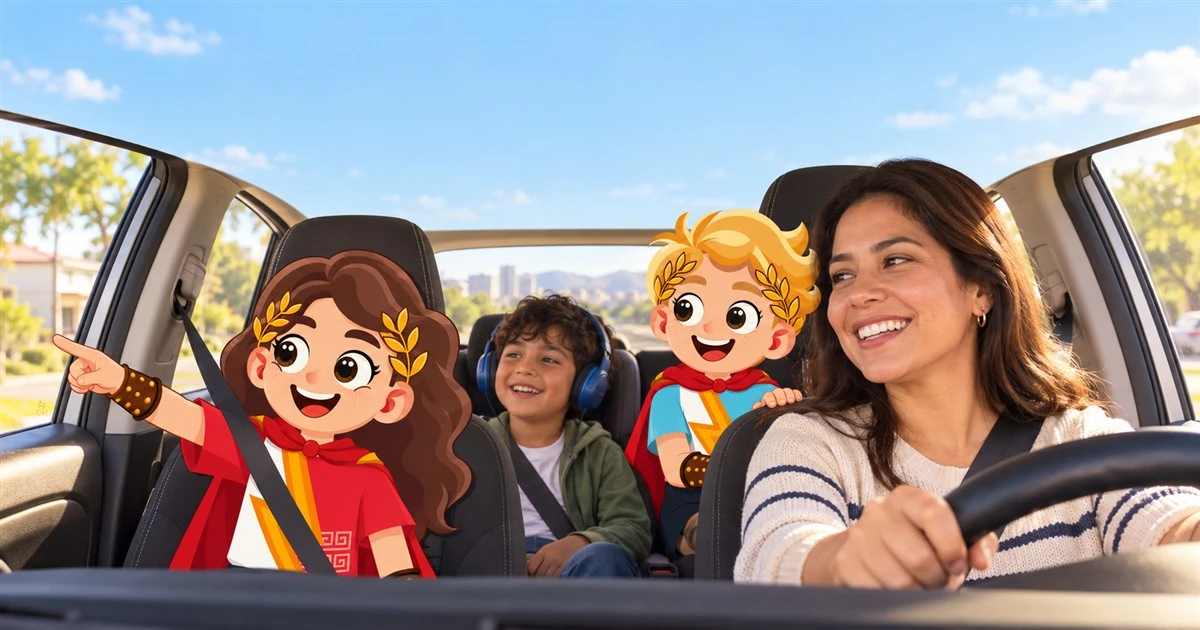
The method has five steps. Pick a five-to-ten-minute segment with a character and a decision. Use it at a waiting moment: the car on the way to school, the doctor's line or before bed. Pause before the decision and ask what they think will happen. When it ends: "What did the character decide? What would you do?" And the next day, without audio: "Remember what happened with...?" That attempt to recall is what fixes the idea. For example: in the car they listen to a story about a boy who wants a ball and spends everything on candy; at the next breakfast you ask: "What was he missing to buy the ball?"
What it's for
For your child, dead time becomes something they can tell about, and they feel they have a voice when you ask instead of just listening. For you, you use time you already have, without adding another task; five minutes in the car is enough to open the topic.
What the research says
Brown, Roediger and McDaniel, in Make It Stick, show that trying to recall an idea fixes it more than hearing it again, and that background audio with no question leaves little trace. Grover Whitehurst and colleagues found, with dialogic reading, that open questions during the story increase the child's participation. The American Academy of Pediatrics, in Media and Young Minds (2016), recommends that an adult connect content to the child's life.
What you'll see over time
In the first weeks they respond little or stick with a funny detail. Between one and six months they remember the character's decision and compare it with something that happened to them. In the long run they ask for "the car story" and anticipate your questions.
Signs it's working
It's working when they tell the story without the audio, when they use a character's phrase and when they answer the next day's question with a "because." If they don't remember anything, shorten the segment or change the story: it may have had too many ideas at once.
Understand that listening doesn't replace deciding.
Use the audio as a starting point for conversation.
Recall and tell what was heard the next day.
"Listening accompanies, recalling teaches."
Most common error