My Child Wants Everything They See on YouTube Kids: How to Talk About It
It's normal for a child to want what they see in videos: creators and ads are made so they want it. The American Academy of Pediatrics (Media and Young Minds, 2016) warns that young children don't distinguish well between content and advertising. It's not about banning everything, but about teaching them to look.
How to do it: four steps
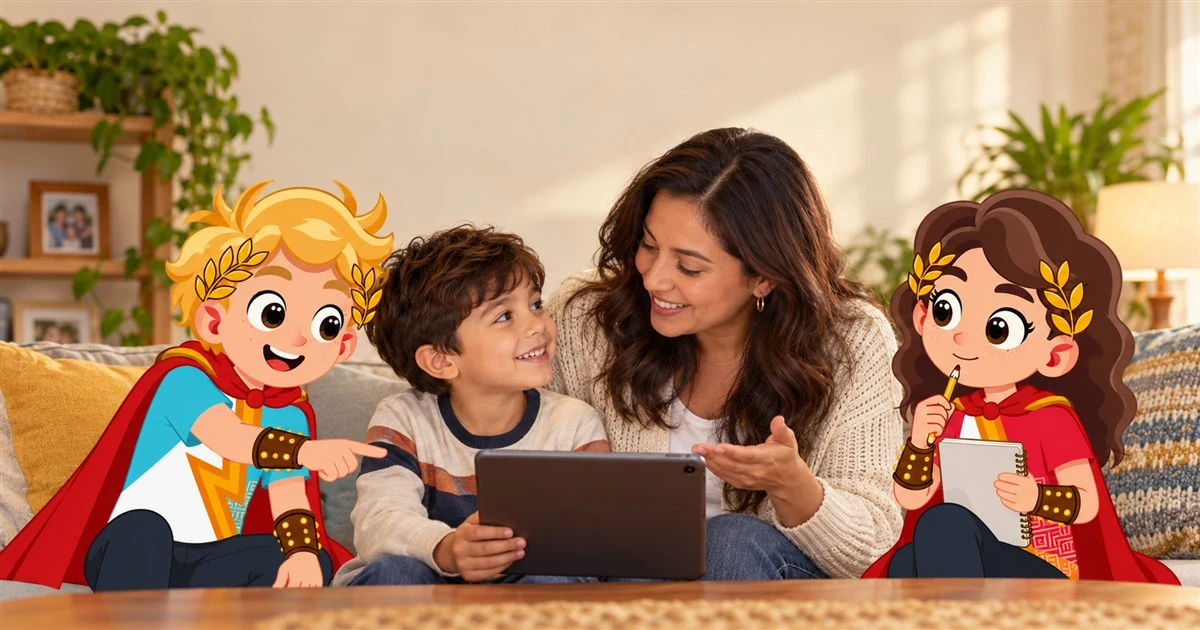
- Ask what they liked about the video: "What did you like most?" Listen without judging.
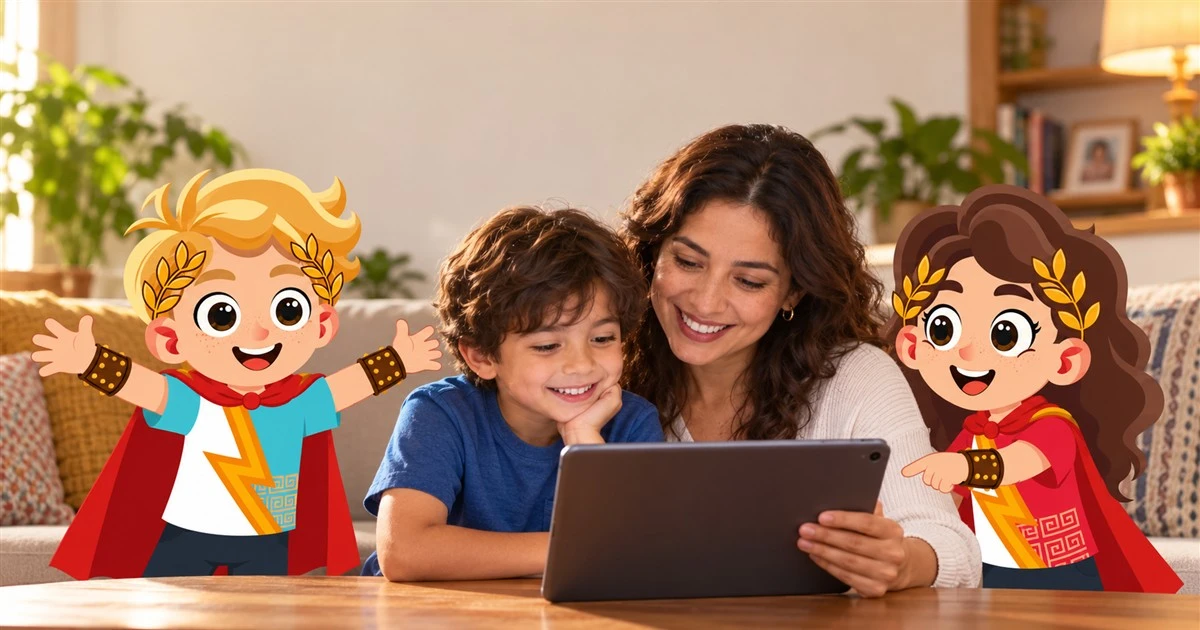
- Watch it with them and say what you see: "Look, they show it up close here so you'll want it."
- Separate wanting from needing with an example from home: "You have three of those. Which do you use most?"
- Agree on a waiting time: "We'll think about it for a week. If you still want it, we'll talk."
What it's for
For your child: they learn to look at content with their own eyes and to tell a moment's desire from a lasting one. They feel respected, not scolded. For you: you leave the "look what they see" fight and move to a conversation; the one-week wait filters many requests without you having to say "no" each time.
What the research says
Daniel Kahneman (Thinking, Fast and Slow) describes the availability heuristic: what we see a lot seems more important to us. Nir Eyal (Hooked) explains how repeated content is designed to bring us back. Mischel (The Marshmallow Test) shows that waiting improves with strategies, and a week with a list is one.
What you'll see over time
- First weeks: they ask less and start saying "we write it down."
- One to three months: they comment on videos critically ("they make that look nice").
- Long term: a relationship with advertising and consumption based on choosing, the base of deciding with money.
Signs it's working
The wish list shrinks on its own; they tell the toy they want today from the one they'll still want; and they ask "is this an ad?" If nothing changes, shorten the wait to three days.
Tell apart wanting from needing.
Think for a week before asking for something seen online.
Describe why they like something.
"We think about it for a week. If you still want it, we talk."
Most common error