Does My Child Know What Things Cost? 5 Signs to Watch For
A child who doesn't understand the cost of things isn't spoiled: they just haven't seen a price in action yet. Berti and Bombi (The Child's Construction of Economics) show that children build the idea of price gradually, and Daniel Kahneman (Thinking, Fast and Slow) explains that we judge a price by comparing it with a reference point. If your child has no reference, everything looks the same. The task is giving them references.
Five signs, and what to do with each
- They ask for things without asking the price. Ask: "How much do you think it costs?" and check the tag together.
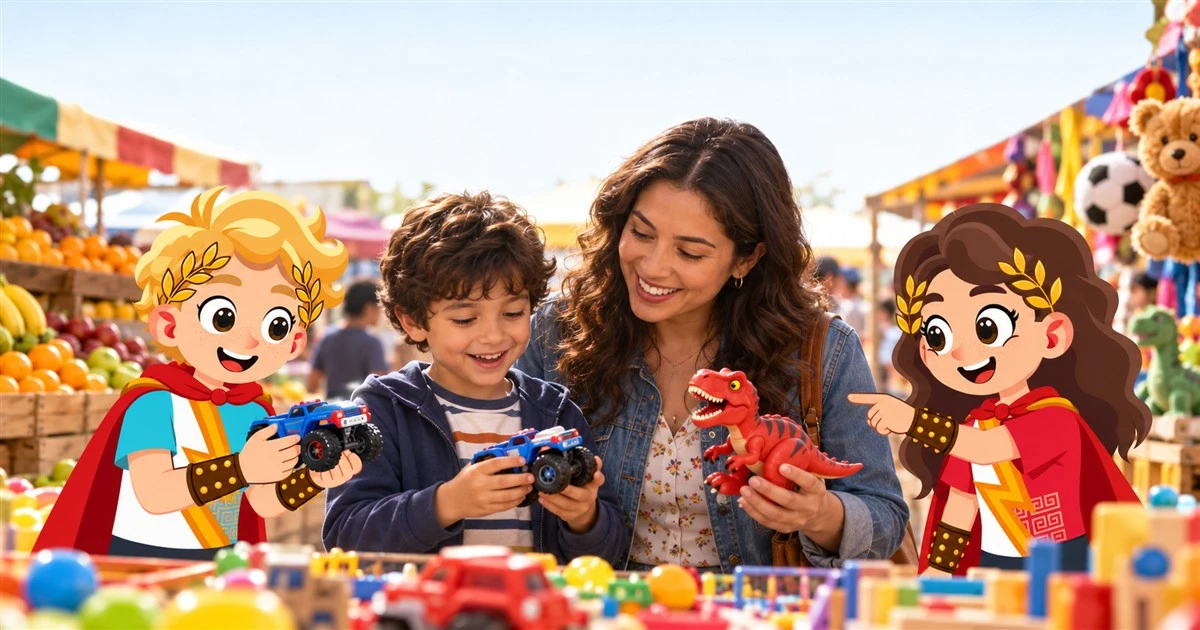
- They can't tell expensive from cheap. Compare two products of the same type: "This one costs double. Why do you think?"
- They don't connect money with work. Explain how money is earned in your family, with an example from your day.
- They get frustrated when they can't buy something. Name what they feel ("you're upset because you wanted it") and offer an option.
- They don't ask questions about money. Ask open questions yourself: "What would you buy with this?"
How to practice the reference
When they ask for something, ask the price and compare: "With that we could buy two of these." That way the price stops being a number and becomes a decision.
What it's for
For your child: they get a way of thinking ("how much is it and what else could I do with it?") that serves them for life; they feel guided, not scolded. For you: you swap the dry "no" for a conversation, and stop feeling your child "is just like that" and you can't do anything.
What you'll see over time
- First weeks: they start looking at tags and saying "it's expensive" or "it's cheap."
- Three to six months: they compare before asking and accept waiting better once they understand the difference.
- Long term: the habit of comparing prices and options is the base of sounder purchase decisions (Kahneman describes how references shape what we decide).
Signs it's working
They ask the price before asking; they compare two options out loud; and they say "this one, because it costs less." By age: at 4, asking without checking is normal; by 7 or 8 they should compare. If you see the same sign for several weeks, talk calmly and ask what they think, instead of correcting.
Understand that price is a reference for deciding.
Compare prices of products of the same type.
Ask the cost before asking for something.
"Before we choose, we ask how much it costs."
Most common error