📝
5-12 years
3 minutes
0
Allowance Yes or No — What Science Says and How to Use It Well
Allowance can be a powerful tool or just an expense. Discover how to transform it into the best financial school for your children.
Friend, have you ever wondered if giving your children an allowance is a good idea? It's one of the most common doubts among parents. We want them to be responsible with money, to learn to value it, but sometimes it seems like the allowance is spent on "junk" without control. Don't worry! Science gives us the answer, and it's simpler than you think.
"Gifted" or "Earned" Allowance? That's Not the Key
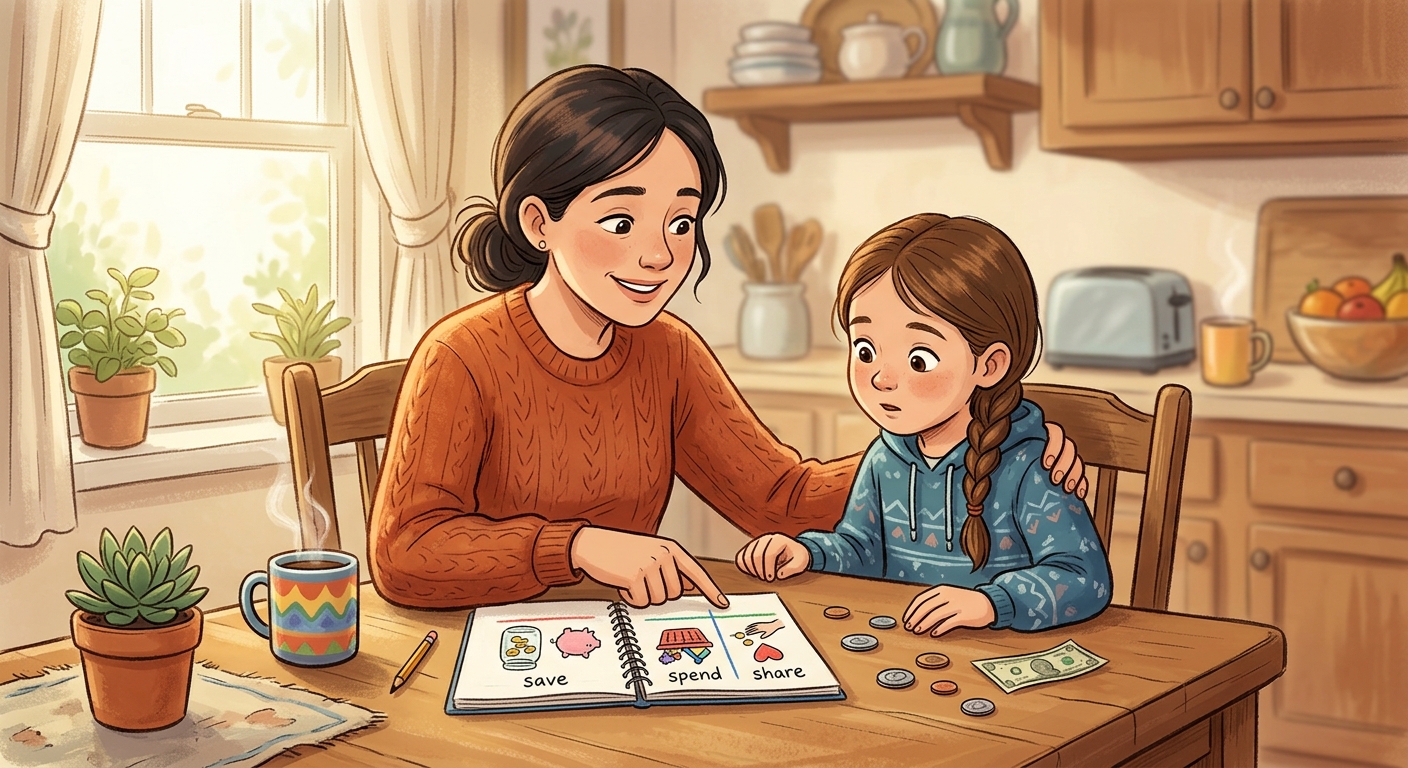
Many of us believe that allowance should be "earned" through chores. Others think it should be an unconditional "gift." But the truth is that the focus should not be on whether the allowance is earned or not. A study from the University of Arizona, for example, suggests that the most important thing is for children to have autonomy to decide how to use their money and to understand the relationship between work, money, and goals. Allowance is a tool, not the end. What's crucial is how we use that money to educate. It's the perfect opportunity for your children to learn to make decisions, to save for something big, or even to make mistakes and learn from them. Imagine, a finance lab at home!Three Golden Rules for a Successful Allowance
Allowance is not a magic formula, but with these guidelines, you'll see your children develop real financial skills:- **Establish a clear amount and frequency:** Define how much and when they will receive it (weekly, bi-weekly). This teaches them planning and consistency.
- **Grant autonomy (with limits):** Let them decide how to spend it, save it, or even donate it. It's their money, and with it, they learn to prioritize.
- **Use it as a learning tool:** When it runs out quickly or they want something expensive, that's the perfect opportunity to talk about budgets, savings, and decisions.
How to do it
1
Define a clear allowance amount and frequency
2
Allow your child to decide how to use their money
3
Turn spending mistakes into learning opportunities
4
Discuss their savings goals and budgeting
5
Celebrate every financial achievement, big or small
What they are learning
Skill
Establish and follow a budget
Knowledge
Understand the value and purpose of money
Attitude
Develop autonomy in financial decisions
Guiding phrase
"Allowance is your child's first finance lab — use it wisely."
Most common error
Giving allowance without a clear educational purpose, expecting the child to learn money management on their own.
Keep practicing
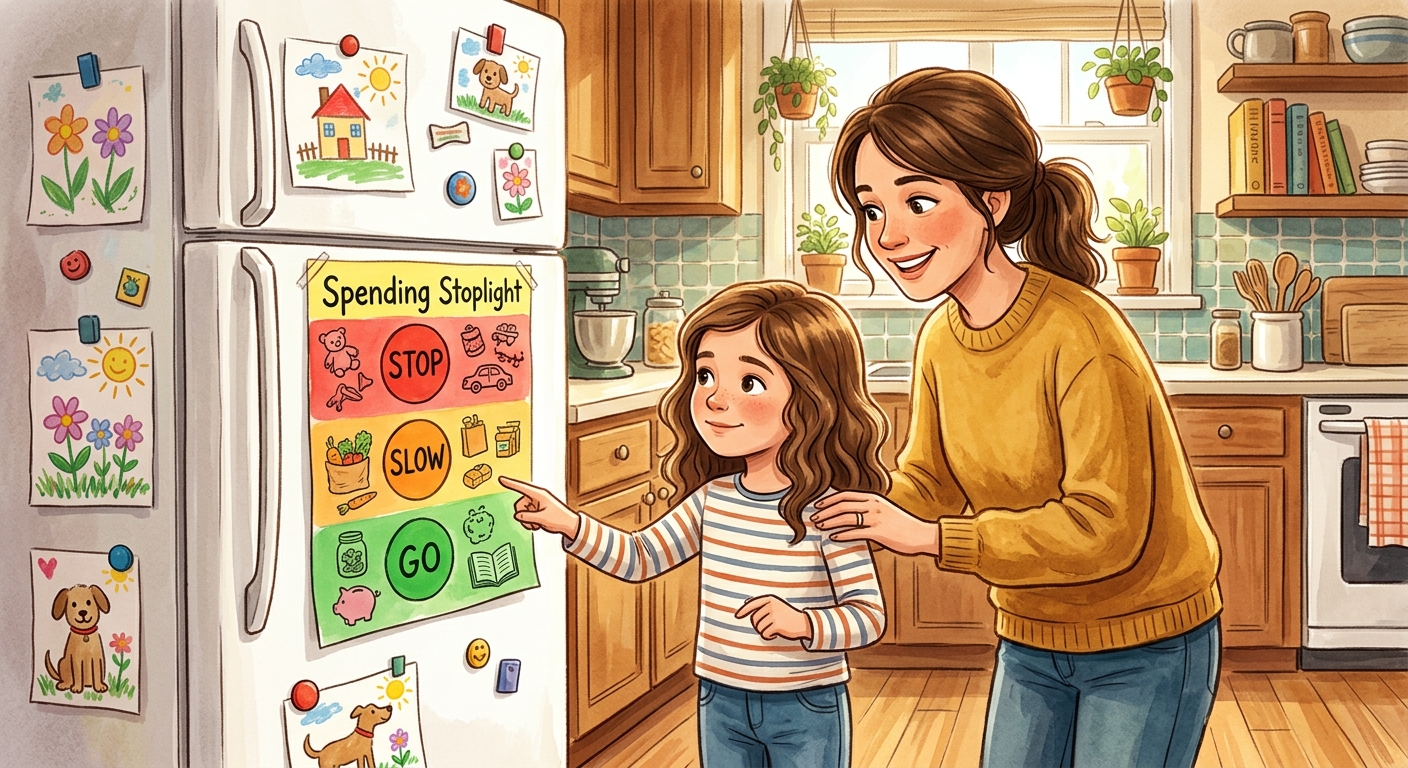
The Spending Stoplight— an easy guide for kids (and parents)!
3 minutes · 7-10 years
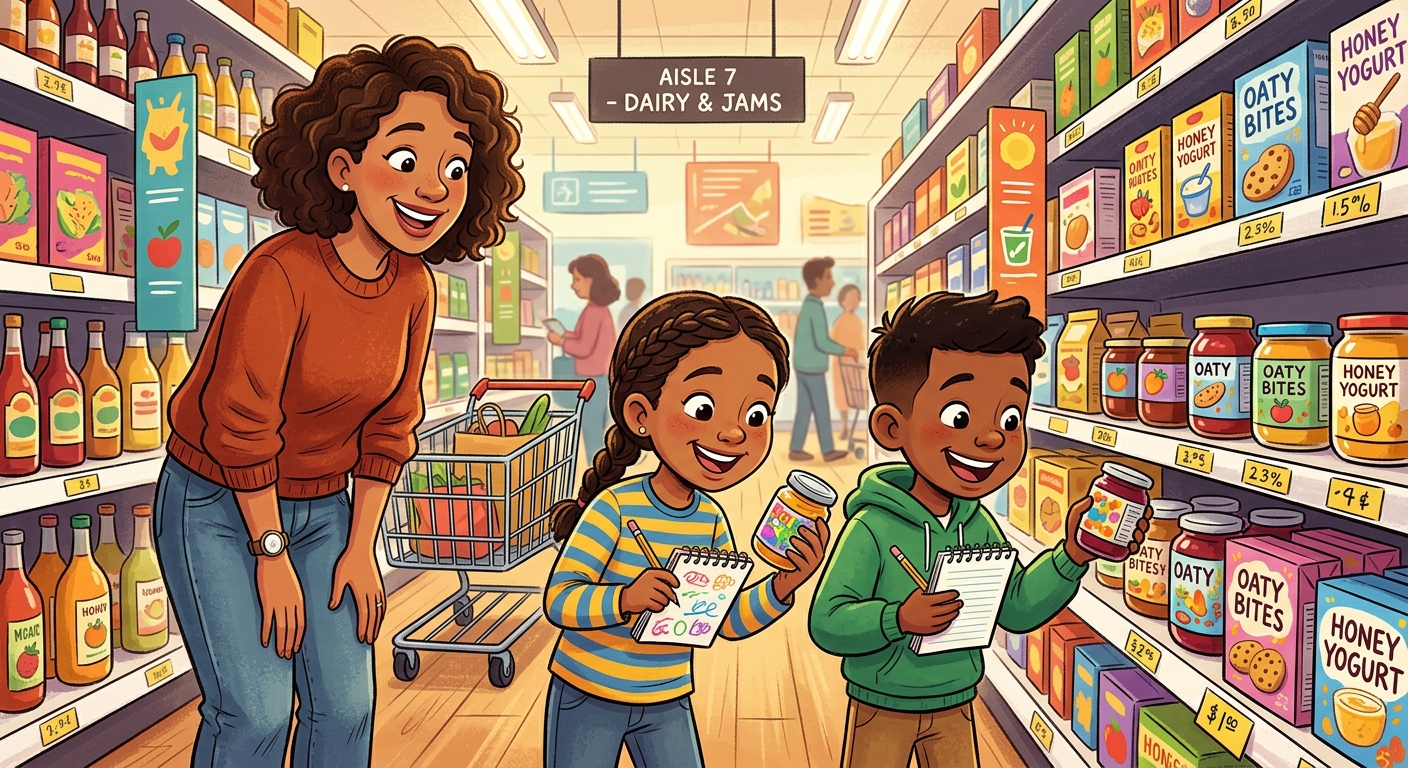
The Magic Supermarket: Price Detectives and the Art of Saving
3 minutes · 7-10 years
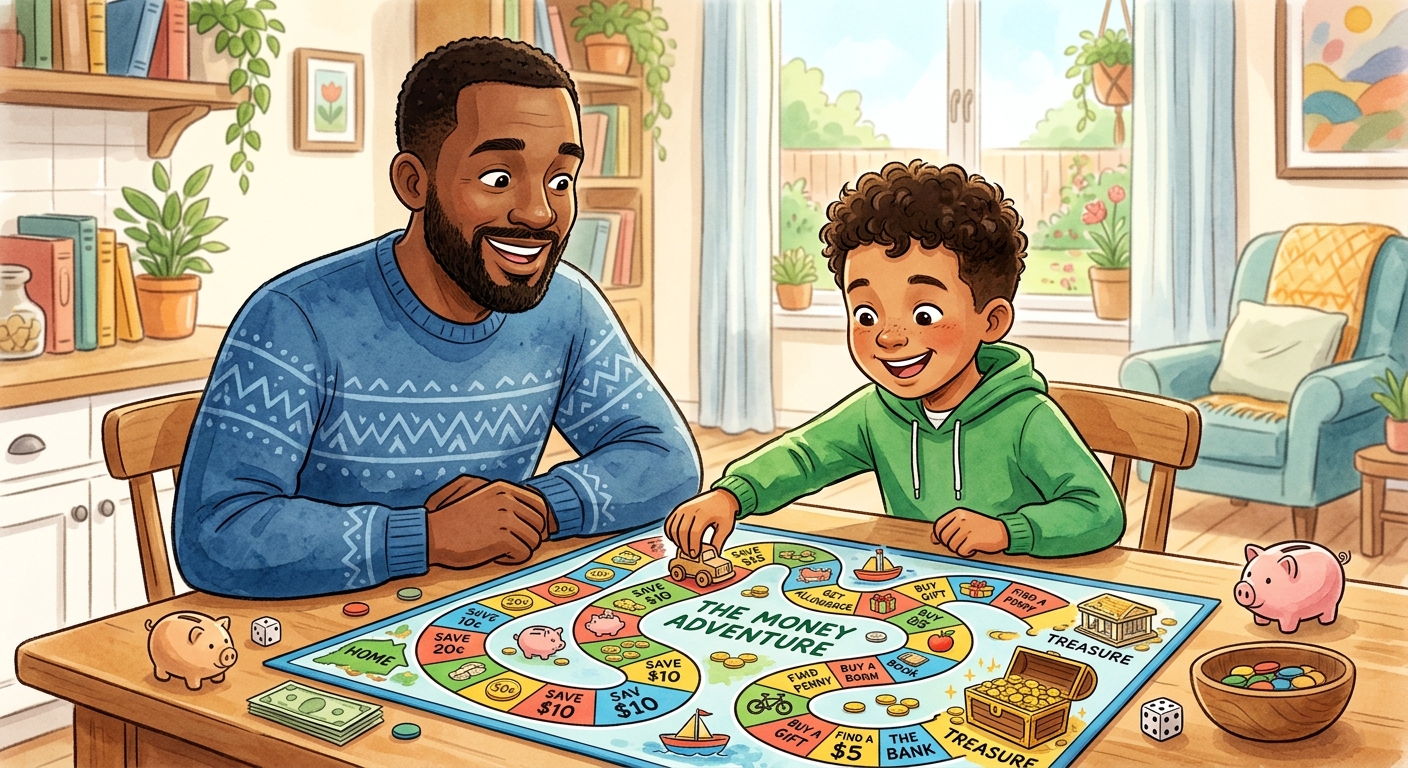
The Goal Race — Saving Money is More Fun When It's a Game
4 minutes · 7-10 years
Back to blog
