Why Does My Friend Have More? A Key Conversation for Your Child
That lump in your throat, do you know it? It appears when your child comes home with watery eyes, frustrated and asking: "Why does my friend have the trendy video game console and I don't? It's unfair!" It's a question that sometimes disarms us, makes us feel guilty, or leads us to quick answers that solve nothing.
But, you know what? This moment, which seems like a stumble, is actually a huge door to one of the most important financial and life lessons you can give them.
The Truth Behind "It's Unfair"
Children, at their age, see the world in black and white. They see the shiny toy in their friend's hands, but not the decisions, efforts, or priorities behind that purchase. They don't understand that:
- Each family has different priorities and possibilities.
- In our home, we choose to invest in other things, like that travel experience they enjoyed so much or saving for their future education.
- It's not that we "can't" have it, it's that we "choose differently", and that's okay.
- Being grateful for what we have and happy with our own decisions is very valuable.
When your child says "it's unfair", what they are really expressing is a lack of understanding about how the world of money and family decisions works.
Transform Comparison into a Life Lesson
This is your opportunity to educate with love and transparency. Instead of dismissing their feelings, use them to build a solid foundation of values and financial understanding:
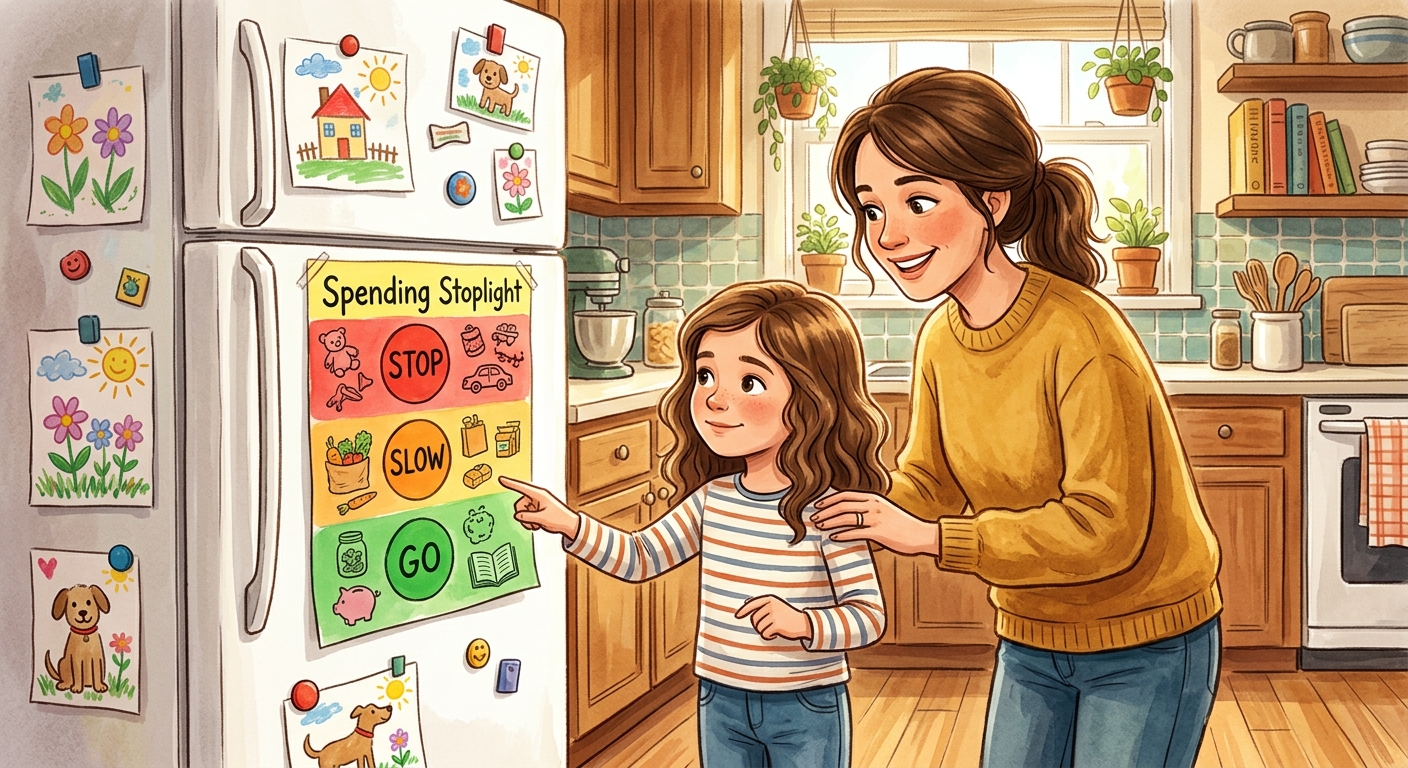
Talk about family goals. If you're saving for a vacation, a household appliance, or a college fund, make it visible. When children understand the "why" behind decisions, envy transforms into understanding. Apps like Ploutus Lab are great because they allow children to see their own savings goals and understand how their choices impact what they can achieve.
Remember, it's not about having more, but about valuing and being aware of what each family chooses and possesses.
Learn to have difficult conversations about money.
Foster gratitude and reduce envy.
Understand that money is a tool for prioritizing.
"It's not about having more, but about valuing what each family chooses and possesses."
Most common error