📝
7-10 years
3 min
0
Paying for Chores? What Science Does NOT Recommend
Many parents believe paying for chores teaches value. Discover why it might be counterproductive for your children.
Friend, have you ever wondered if you're truly teaching your child the value of effort and money by paying them to make their bed or pick up their toys? Don't worry, it's a very common question! Many parents do it with the best intentions, seeking to motivate their little ones. But what if I told you that science and child psychology suggest a better way?
The mistake nobody tells you about
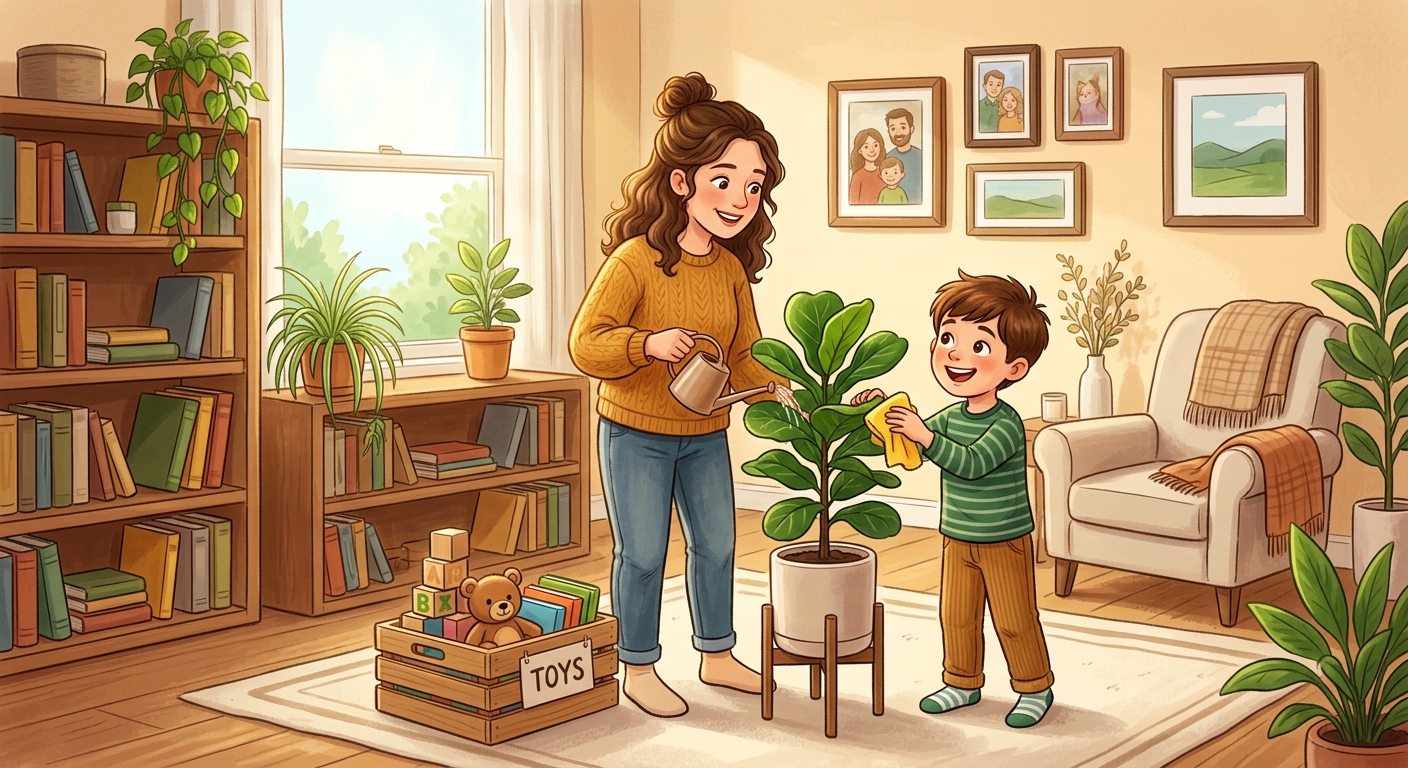
Imagine this: your child makes their bed because you're going to give them 50 cents. What do they learn? That collaborating at home is a transaction. A study from Stanford University found that rewarding intrinsic tasks with money can, in the long term, reduce children's natural interest in helping and turn them into household “mercenaries.” They want to know “how much will you pay me?” before lifting a finger. This creates a transactional mindset. Instead of fostering a sense of belonging and shared responsibility in the family, we are teaching that basic responsibilities have a price. And adult life doesn't work like that, right? Nobody pays you to wash your own dishes or keep your house tidy.The smart alternative — Responsibility vs. Reward
The key is to differentiate family responsibilities from allowance. Household chores, like making the bed, setting the table, or keeping their room tidy, are part of living in a family. They are a contribution to the team, without direct monetary payment. This way, the child understands that their collaboration is valuable for everyone's well-being. And allowance? That is a powerful tool to teach about saving, goals, and money management. It can be given for saving goals or specific projects the child wants to achieve, such as buying a special toy or a book. At Ploutus Lab, we believe allowance should be a springboard towards financial independence, not a salary for cleaning. When your child contributes without expecting payment, they develop: * **Sense of belonging**: They feel like an important part of the family team. * **Intrinsic responsibility**: They learn to do things because they are right, not for money. * **Life skills**: They prepare to be functional and collaborative adults.Get started today!
It's time to redefine how your children view their role at home and their relationship with money.How to do it
1
Identify family chores — those that everyone does for the common good, without payment.
2
Assign clear responsibilities to each child, according to their age and ability.
3
Explain the importance of family collaboration — we are a team.
4
Create an allowance system for saving goals or personal projects, separate from basic chores.
5
Celebrate your child's effort and help with verbal recognition, not money.
What they are learning
Mindset
Differentiate family responsibilities from monetary rewards
Skill
Establish an effective allowance system for saving goals
Behavior
Foster collaboration and a sense of belonging at home
Guiding phrase
"Household chores are a contribution to the family team, not a paid job."
Most common error
Many parents pay their children for basic chores like making their bed, believing it teaches them the value of money.
Keep practicing
The Spending Stoplight— an easy guide for kids (and parents)!
3 minutes · 7-10 years
The Magic Supermarket: Price Detectives and the Art of Saving
3 minutes · 7-10 years
The Goal Race — Saving Money is More Fun When It's a Game
4 minutes · 7-10 years
Back to blog
