What Is Money for a 5-Year-Old? A Simple Guide for Parents
For a 5-year-old, money is best understood as something we use to trade what we have for what we need or want. Definitions mean nothing to them; examples do. They learn from what they see: if someone does something and gets something back, they already have the foundation to understand money.
How to do it
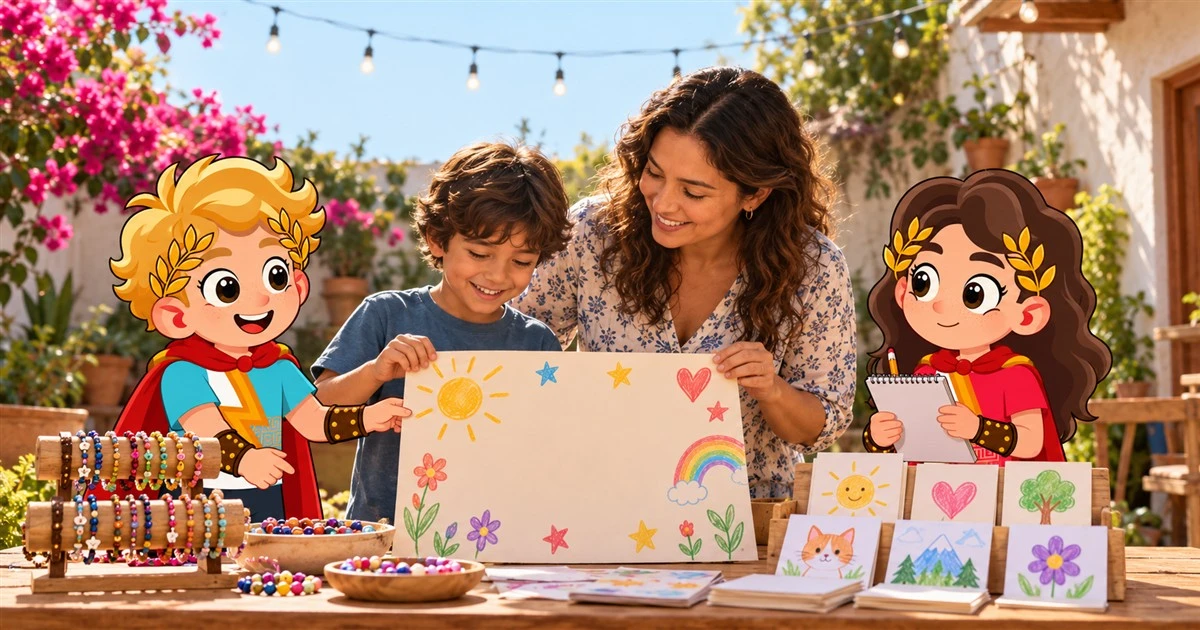
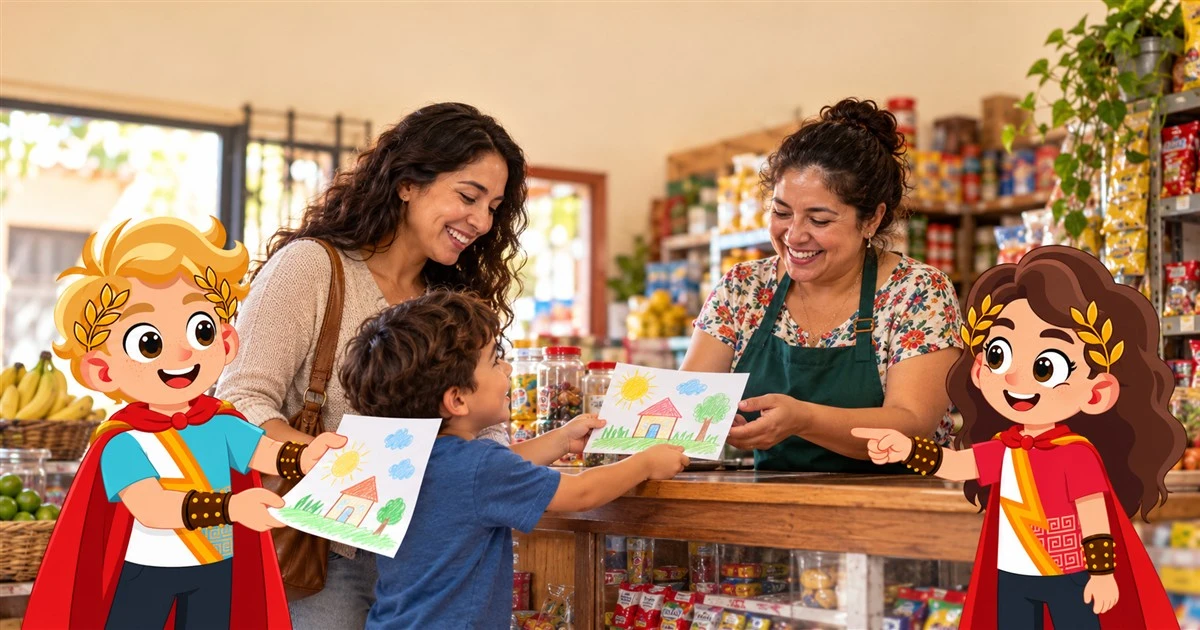
In practice, a 5-year-old can grasp three ideas. First: money is for trading, I give something and I get something. Second: there are things they need and things they want. Third: someone has to do something to receive money, like helping at home, selling a drawing or caring for a plant. There's no need to talk about interest or percentages; that comes later.
The how is simple. With a toy shop or a drawing swap at home, your child practices the three ideas without a formal lesson. Start with a question: what item at home would you trade for another? Then pick two things, one they need and one they want, and let them decide which to take. At the end, ask why they chose it; the answer shows how much they understood.
What it's for
For your child, the idea becomes something they can do with their hands: give something to get something else. They feel capable when they explain their choice. For you, the question replaces the phrase "we don't have money" with a conversation about options. That way the child isn't left afraid without understanding what it's about.
What the research says
Berti and Bombi (1988), in The Child's Construction of Economics, describe how children's understanding of economics is built in stages. Younger children often link money to buying things before they understand where it comes from. That's why what you teach at this age is where money comes from, not money itself.
What you'll see over time
In the first weeks, the child may want to trade everything for what they like best, without thinking about what they need. Between one and six months they start asking themselves whether they need something before choosing it, and say it out loud. In the long run they tell apart, in daily life, what serves for living from what serves for playing, and understand that every trade has a cost.
Signs it's working
You'll know the idea is settling in when your child explains why they chose something, when they ask "do I need it?" before asking for something and when they tell you about something they traded for something else during their day.
Tell apart what we need from what we want.
Ask “Do I need this?” before choosing.
Understand that money is used to trade one thing for another.
"Money helps us trade what we have for what we need."
Most common error