How to Use the 3 Powers in Daily Life: Income, Debt and Risk
Income, debt and risk are the basics of finance for kids, and they show up at home every day. Ron Lieber, in The Opposite of Spoiled, argues that children learn when money is connected to real situations and not to definitions.
How to do it
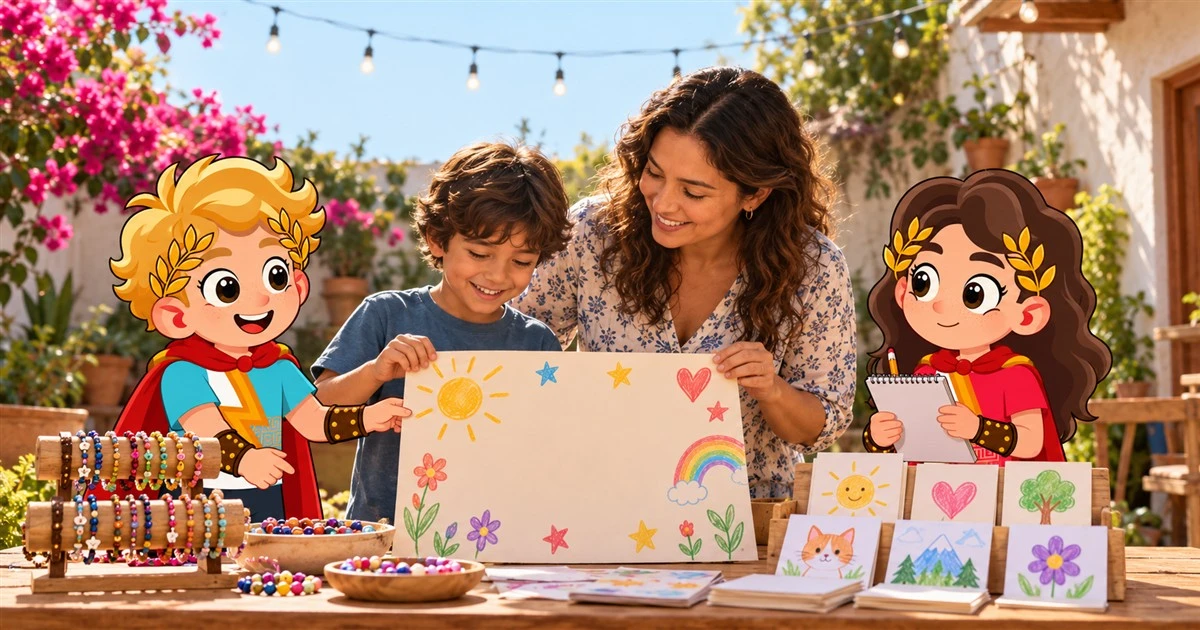
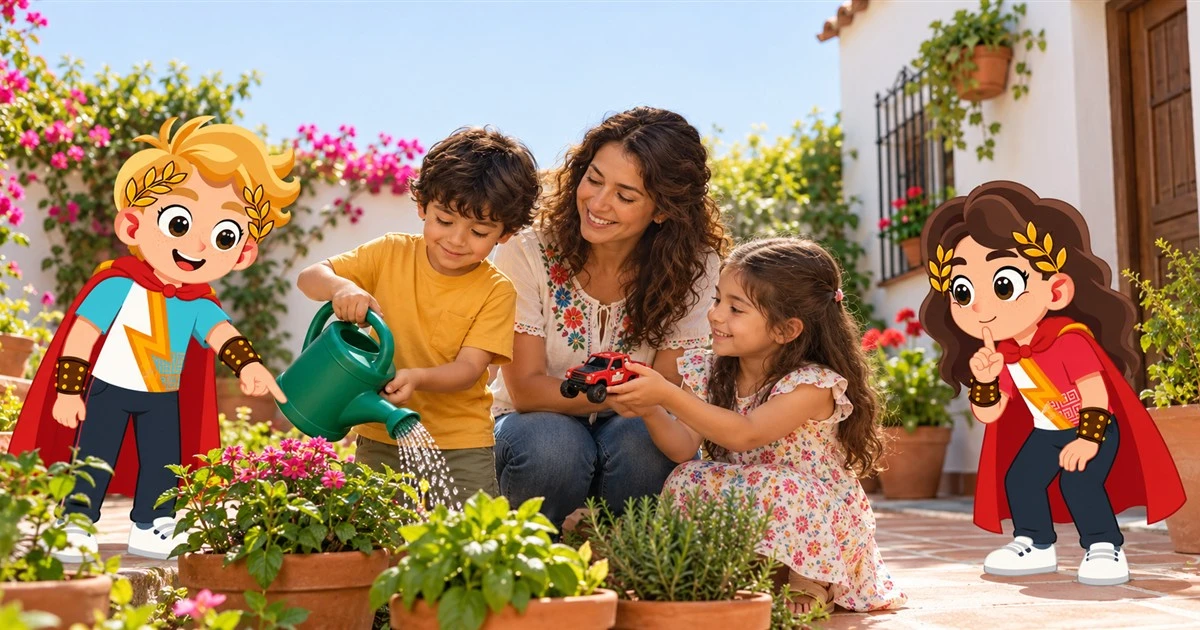
Income is what you receive for what you do: helping a neighbor water plants, watching a younger sibling while you cook, selling a drawing. The question is what they can do that someone else values, and it's made clear that every income starts with giving something in return.
Debt is what you borrow and must give back. If you lend a toy to a sibling and agree when it returns, there's a debt. You teach that it's also a matter of your word: "You said Sunday, how do we make that happen?" Returning on time is the first step in protecting trust.
Risk is what can turn out differently than expected: trying a new recipe or inviting a classmate who doesn't know anyone. The question is what could happen if it doesn't work and whether they're okay with that. Daniel Kahneman, in Thinking, Fast and Slow, shows that losing hurts more than winning the same amount feels good. Putting words to the possible cost before deciding calms that reaction.
You practice one power a week, hunting for examples at home, at the grocery store and at school. On Friday you ask which one they saw most and why. When an example of their own comes up, you celebrate it, because it means they recognize it on their own.
What it's for
For your child, the three powers are situations they already live and can now name. For you, they are everyday questions that replace the theoretical explanation.
What you'll see over time
In the first weeks the child may give examples from the class and not from their life. Between one and six months they find examples of their own for all three. In the long run they think about the possible outcome before deciding, without being asked.
Signs it's working
You know it works when the child gives an example of their own for each power, when they ask what could happen before trying something and when they recognize an income or a debt in a conversation.
Recognize income, debt and risk in everyday life.
Think about the possible outcome before deciding.
Give an example of their own for each power.
"Income, debt and risk are also in your home."
Most common error